The best years of our life
HISTORICAL EDITIONS FROM THE CENTRE D’ÉDITION CONTEMPORAINE
Marie Angeletti, Monica Bonvicini, Costanza Candeloro, Trisha Donnelly, Giulia Essyad, Fabrice Gygi, David Hominal, Karen Kilimnik, Elke Krystufek, Erik van Lieshout, Christian Lindow, Tobias Madison, Victor Man, Florian Pumhösl, RM, Rosemarie Trockel
Opening, Thursday, November 13, 2025, from 5 to 9 PM (Nuit des Bains)
From November 14, 2025, to January 10, 2026
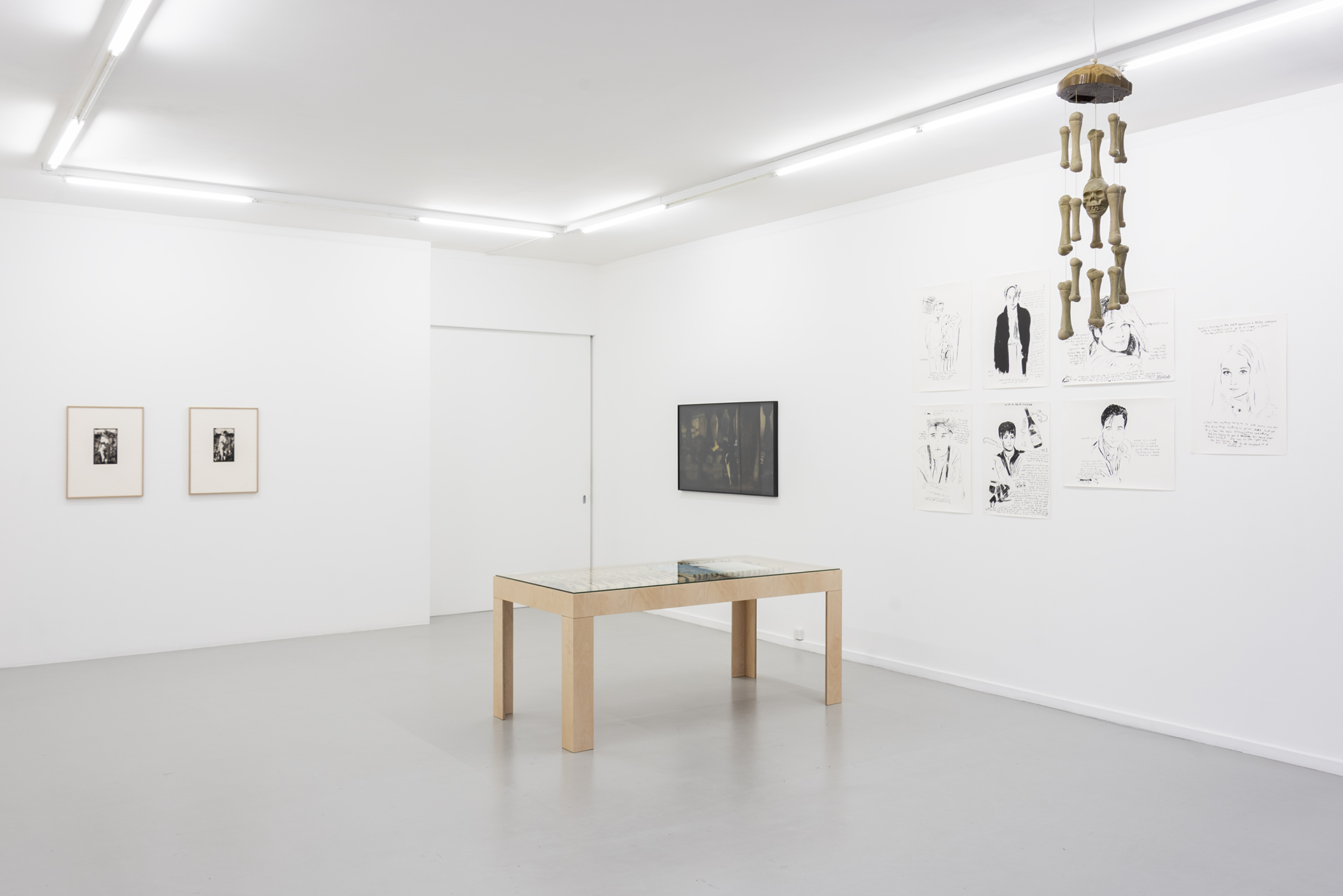
The best years of our life, CEC, 2025. Photo : Remy Ugarte Vallejos
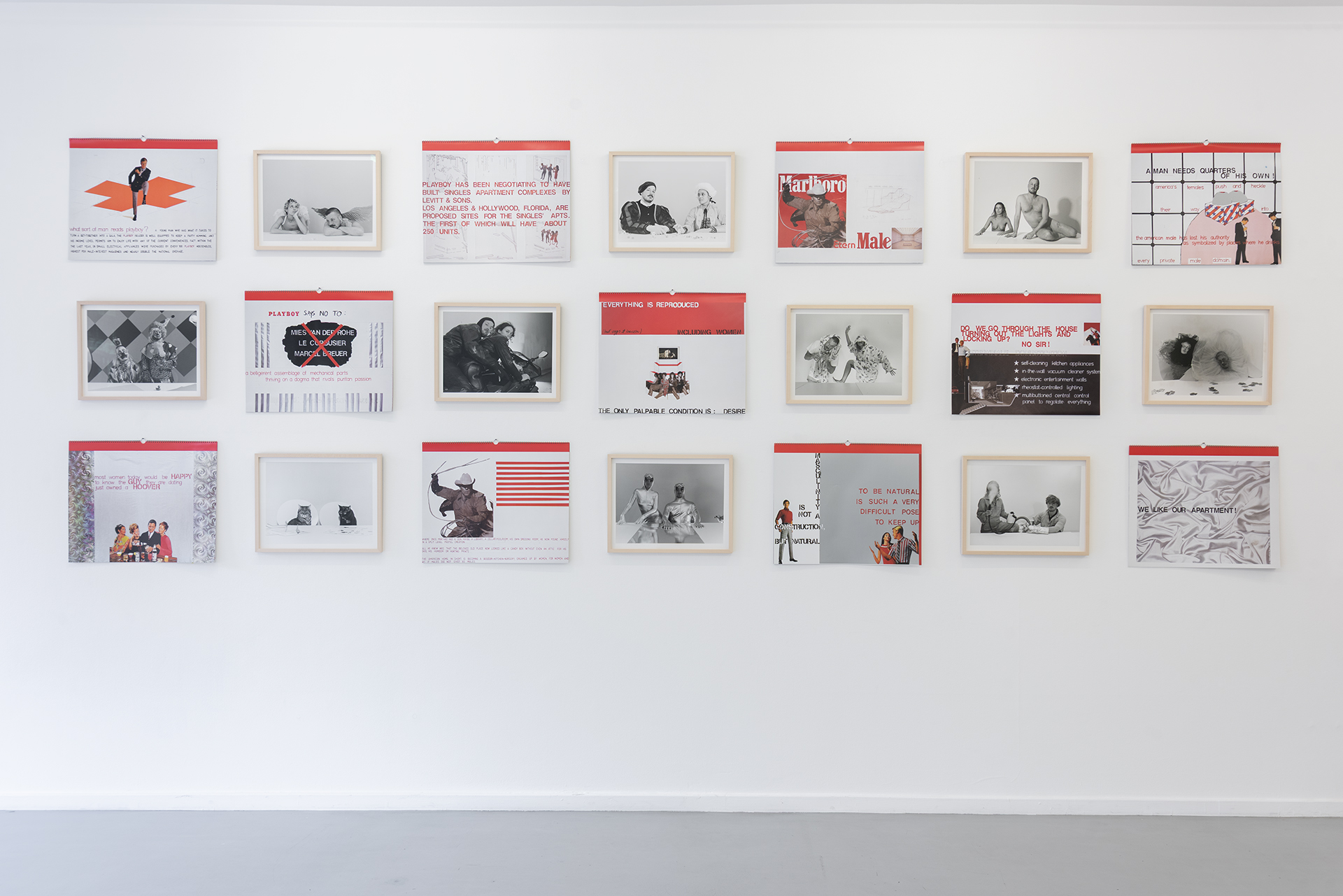
ETERNMALE, CEC, 2025 ; RM,
RM photographed by Mathilde Agius, 2023, CEC, 2025. Photo : Remy Ugarte Vallejos
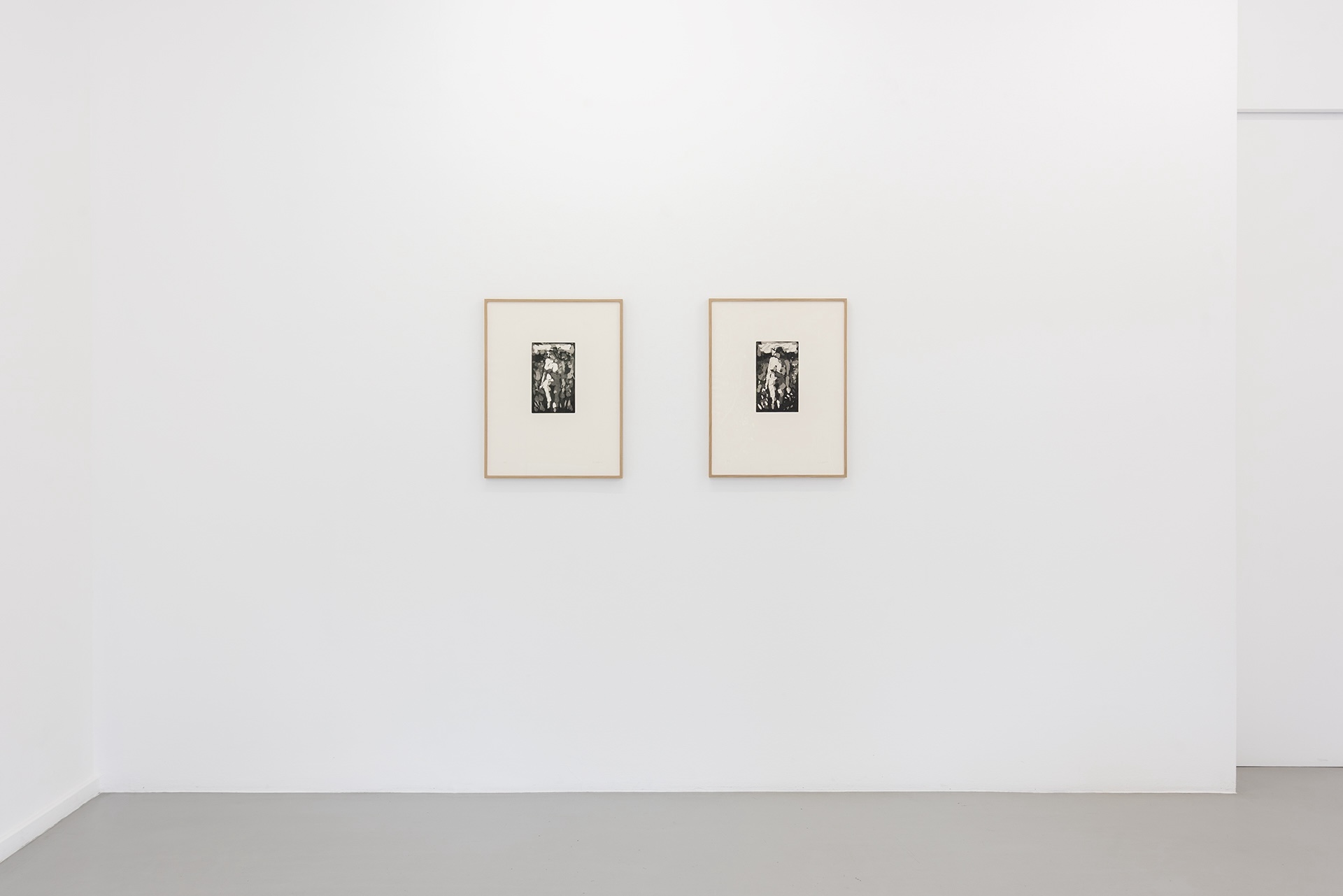
The best years of our life, CEC, 2025. Photo : Remy Ugarte Vallejo
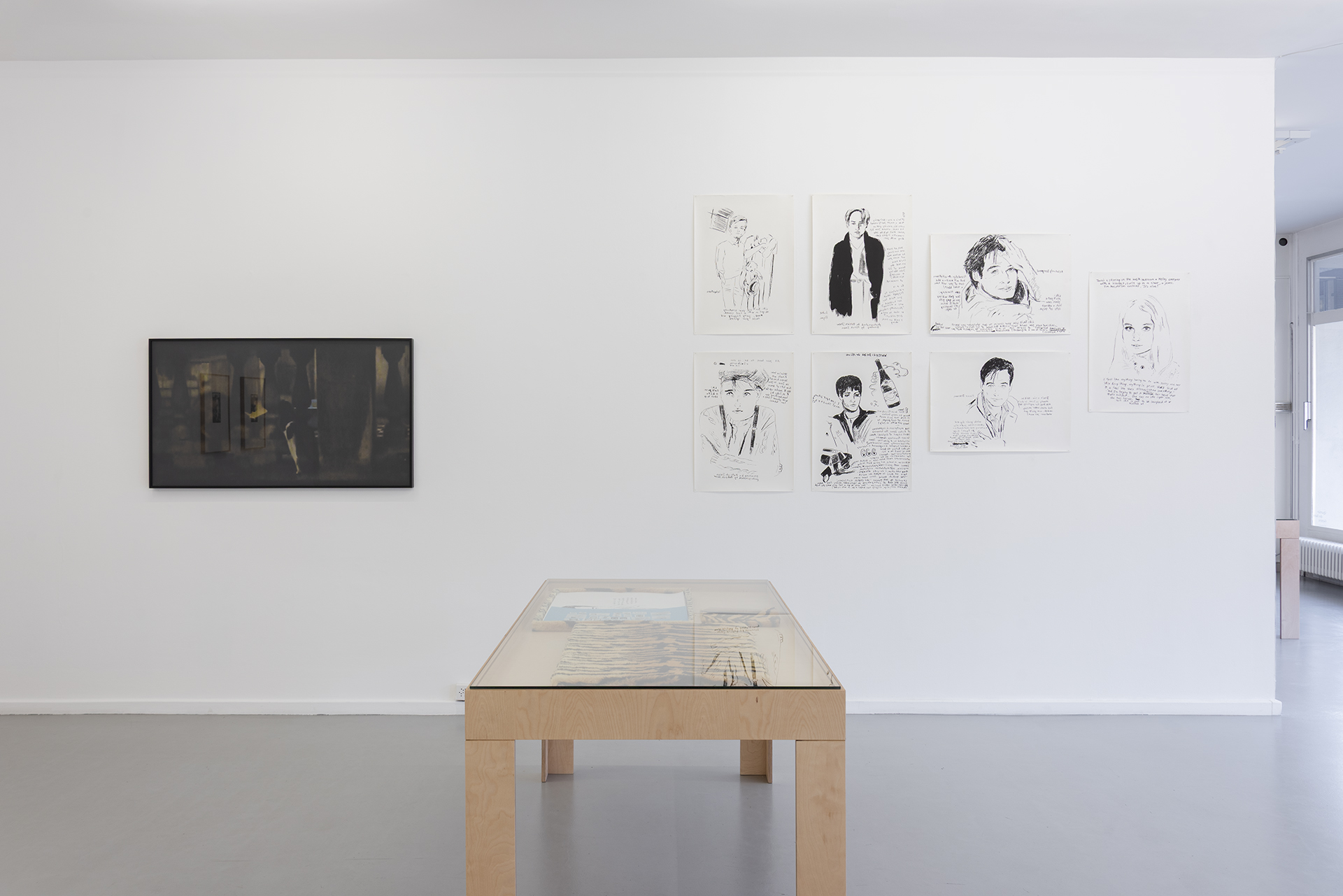
The best years of our life, CEC, 2025. Photo : Remy Ugarte Vallejo
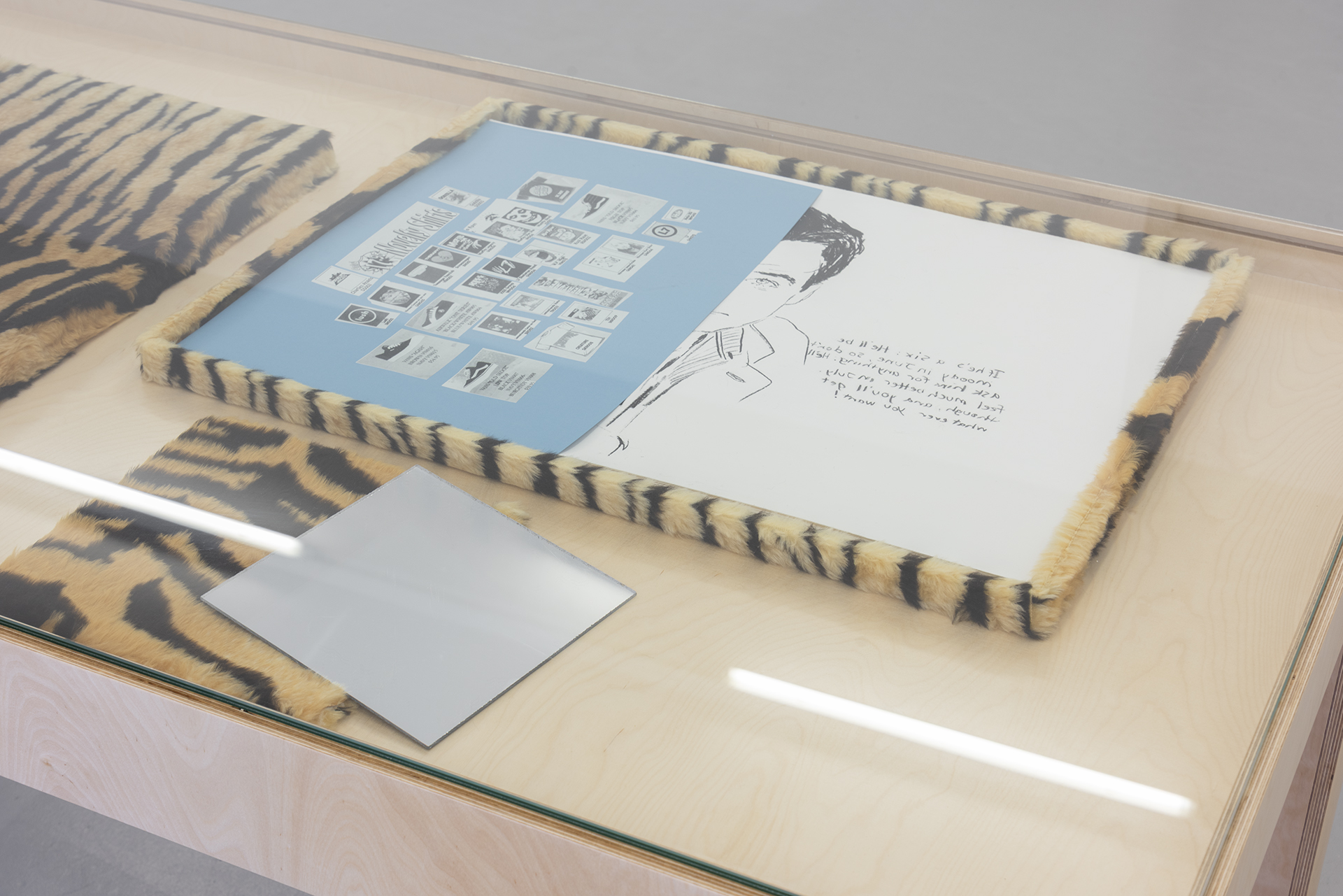
The best years of our life, CEC, 2025. Photo : Remy Ugarte Vallejo
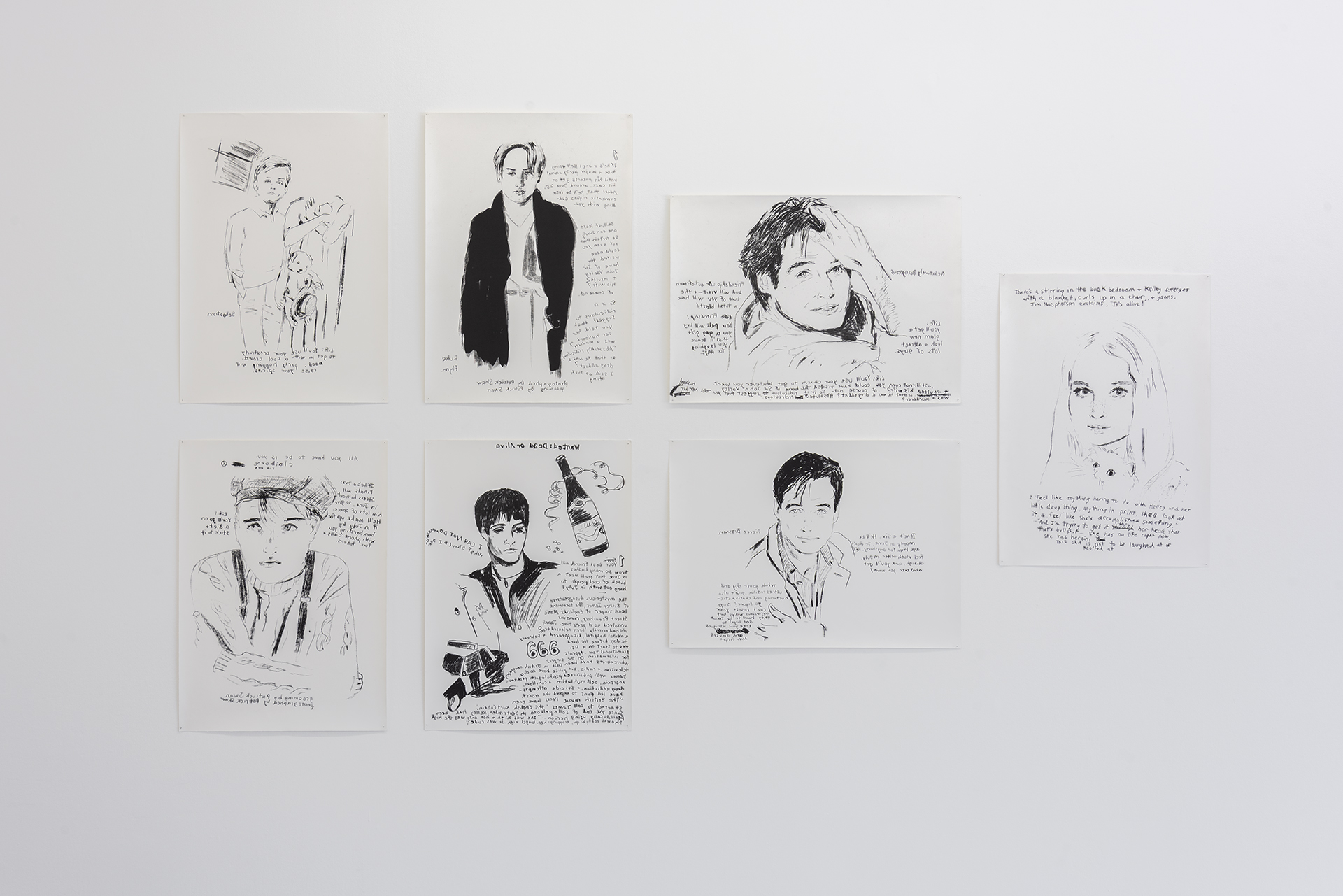
The best years of our life, CEC, 2025. Photo : Remy Ugarte Vallejo
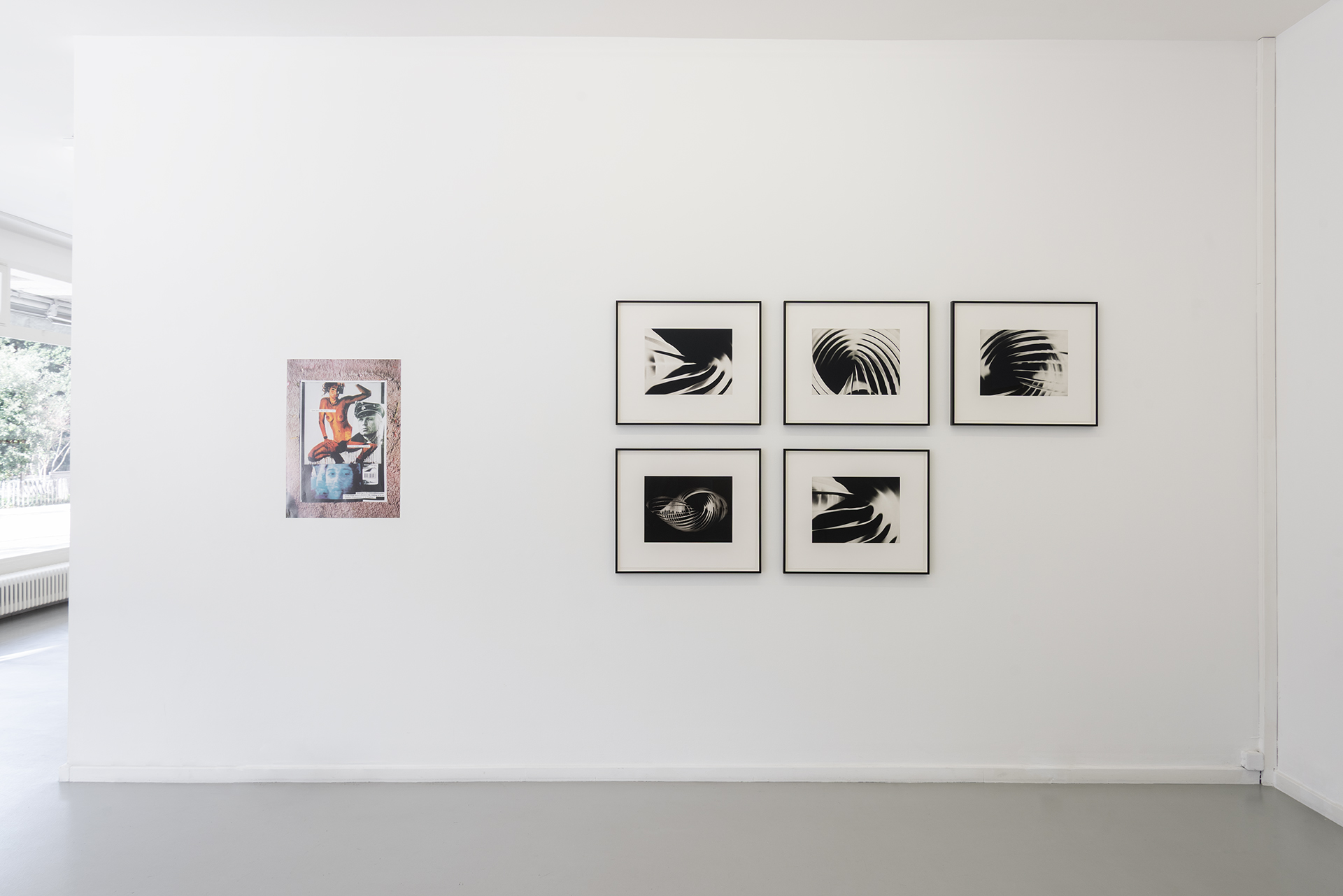
The best years of our life, CEC, 2025. Photo : Remy Ugarte Vallejo
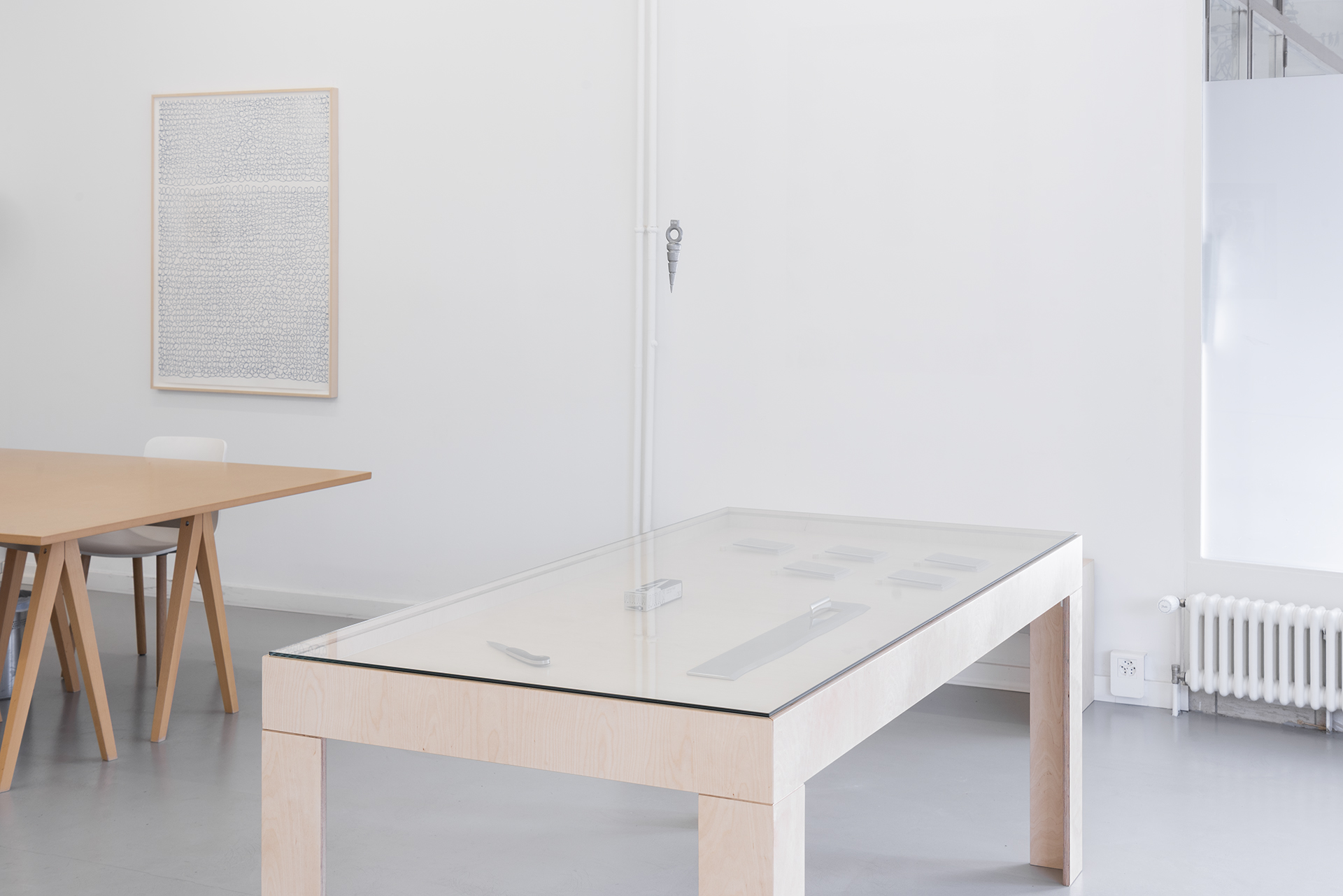
The best years of our life, CEC, 2025. Photo : Remy Ugarte Vallejo
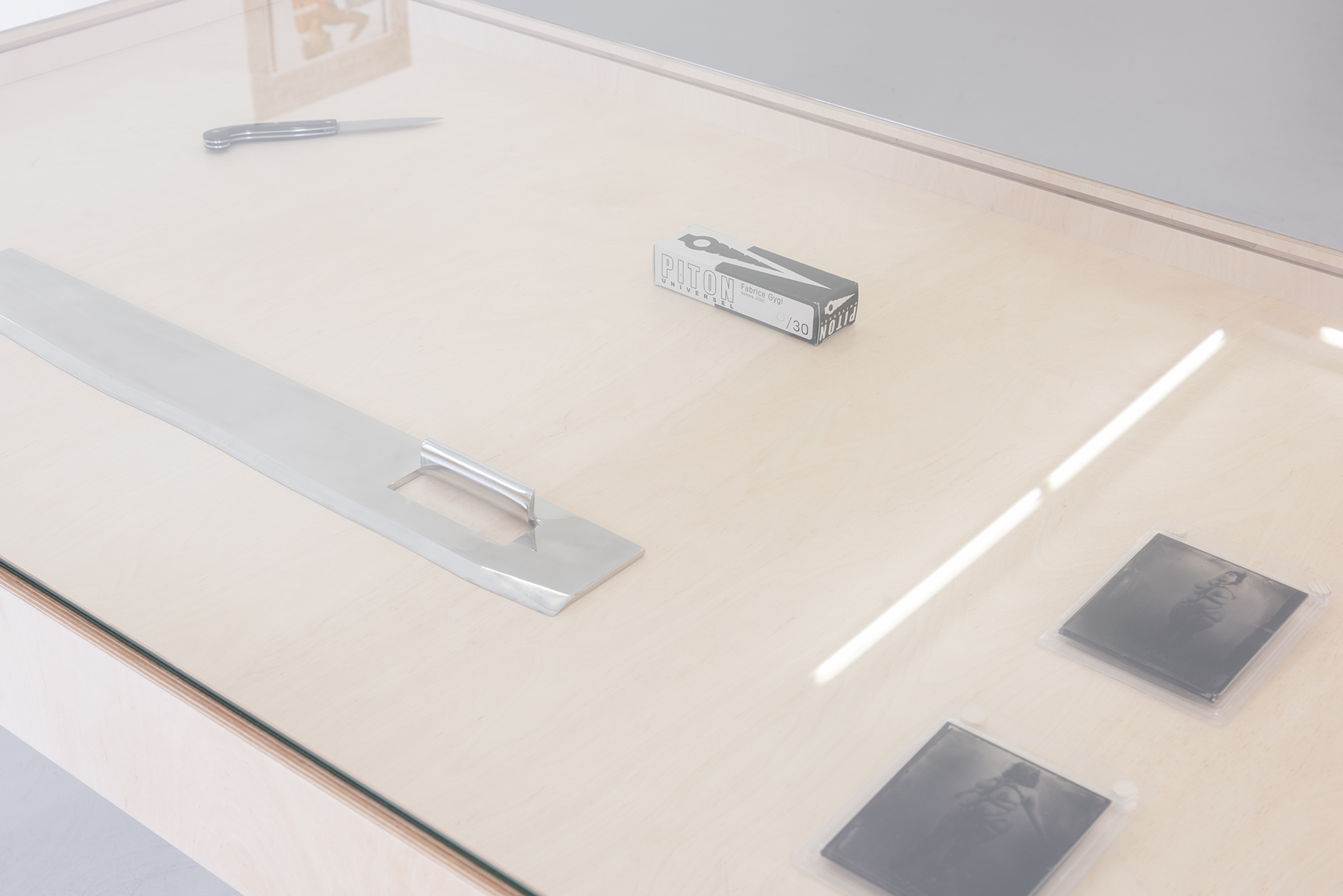
The best years of our life, CEC, 2025. Photo : Remy Ugarte Vallejos
The best years of our life is a hanging of historical editions from the Centre d’édition contemporaine. It marks a moment of transition in the life and history of the place. The new director, Nicolas Brulhart, who succeeded Véronique Bacchetta in July 2025, invites you to discover – or rediscover – an inheritance approached through a gaze both fragmented and intuitive.
The hanging unfolds as a negotiation between the scopic and the historical dimensions of vision. Imposed, diverted, or embraced, the desiring logics that emerge from this gaze form the underside of the formalist discourse of edition – one that defines itself through production, dissemination, and distribution. The Centre’s collection holds many such works, as though beneath the surface of a materialist rhetoric teemed a more impulsive, unruly force.
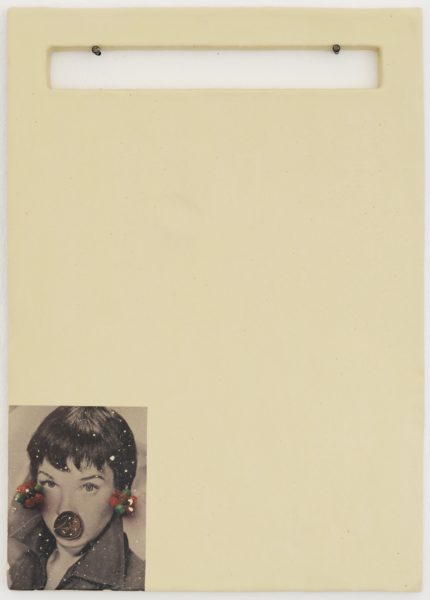
The best years of our life pays homage to this polymorphous, perverse, playful, and exhausted character of editions that invite reinterpretation. Where time has eroded, the hanging compensates through excess, forcing its supplement upon stories with missing flesh. In the gaze of the portrait that precedes us, the position of the viewer becomes subject to identification and disidentification. The images open a battlefield upon bodies. Their violence cannot remain repressed—it must be negotiated or discussed. Opening, cut, caesura, suspension: these are the reflexive figures of a device more mental than material.
***
At regular intervals, the Centre d’édition turns its own space into a stage for the visibility of its stock, where Hors Commerce editions constitute a repertoire from which to develop poetic and curatorial improvisations. This practice reinforces the conceptual dimension of the CEC’s endeavor—an institution that, more overtly than an art center, ceaselessly reformulates and informs its own history.
In spring 2026, a second chapter dedicated to the Centre’s collection will focus on the protean production of books, fanzines, and posters, and on their entanglement with the notion of public space.